Reducing liquid viscosity is often essential in industrial applications where products are stored in drums or Intermediate Bulk Containers (IBCs). When materials become too thick, pumping, pouring and processing efficiency can be significantly affected.
Understanding how viscosity behaves and how controlled heating can improve flow is key to selecting the right industrial solution.
Understanding the types of viscosity
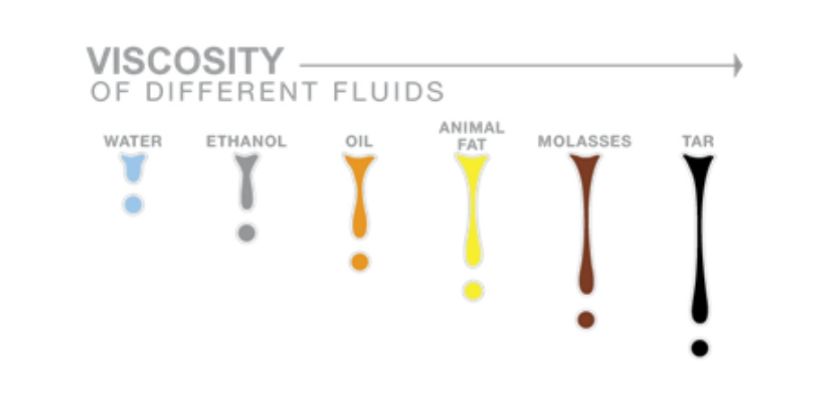
Viscosity is the measure of a fluid’s resistance to flow, and it can vary significantly from one substance to another. In industrial storage, particularly in 205L drums and 1000L IBC containers, viscosity directly impacts whether heating is required to maintain productivity.
Let’s break it down:
Low Viscosity Fluids
Fluids with low viscosity, such as water or thin oils, flow effortlessly and offer minimal resistance to movement. These substances typically do not require heating for most applications, as they are naturally suited for use at room temperature.
Medium Viscosity Fluids
Medium-viscosity fluids, like thicker oils, syrups, resins and some greases, exhibit moderate resistance to flow. In drum or IBC storage, heating may become necessary during colder months when ambient temperatures cause fluids to tighten and flow more slowly.
For these products, controlled external heating can reduce resistance and improve pumping efficiency
High Viscosity Fluids
Highly viscous fluids, such as molasses, honey, palm oils, surfactants and industrial greases, present significant resistance to flow. When stored in drums or IBC containers, these products often require consistent heating to lower viscosity and maintain workable conditions.
The application of heat reduces thickness, enabling easier pumping, pouring and processing.
The link between temperature and viscosity
Heating is primarily used to reduce viscosity in higher-viscosity fluids stored in drums and IBCs. As temperature increases, fluid molecules gain kinetic energy and move more freely. This reduces internal resistance and allows the product to flow more efficiently.
In industrial environments, this improved flow can result in:
- Easier product transfer
- Reduced strain on pumps
- Less downtime
- Improved processing consistency
This is particularly important where materials must be transported, mixed or processed without interruption.
Tailoring industrial heating solutions for varying viscosity needs
The level of heating required depends on both product viscosity and environmental conditions.
Medium Viscosity Applications
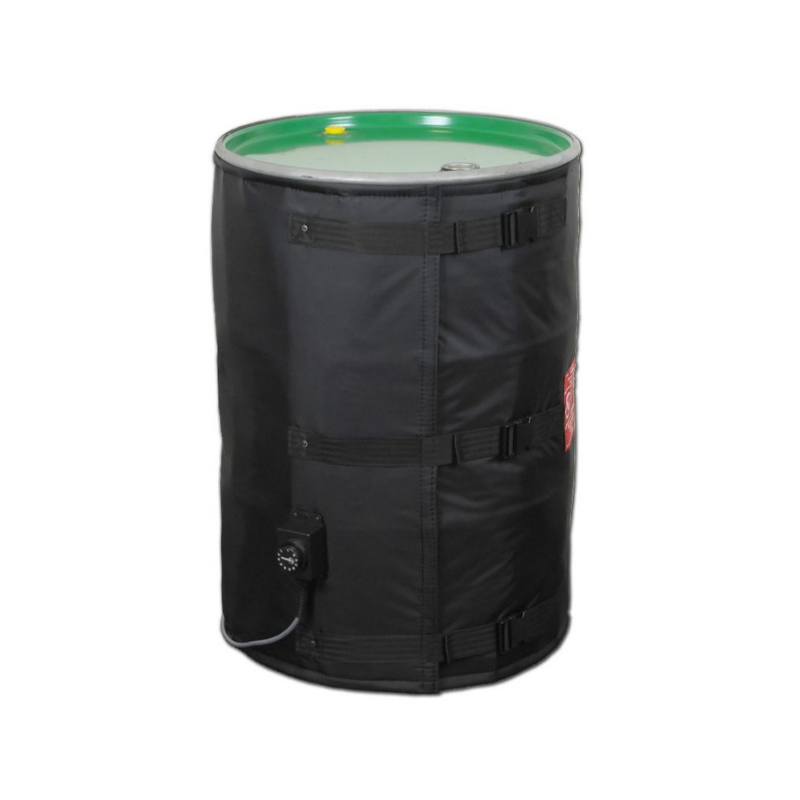
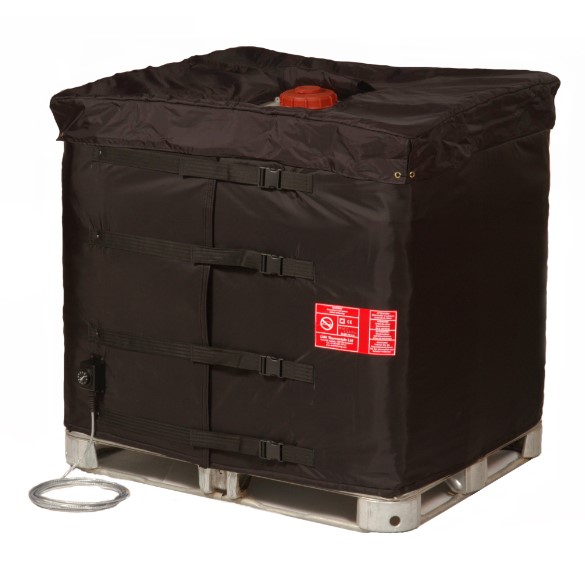
Medium-viscosity products may only require heating during colder periods when ambient temperatures cause thickening. For such cases, our HHD insulated heater jackets (Hi-Heat range) for drums, grease, and Intermediate Bulk Containers (IBC) heating jacket provides an ideal solution.
High Viscosity Applications
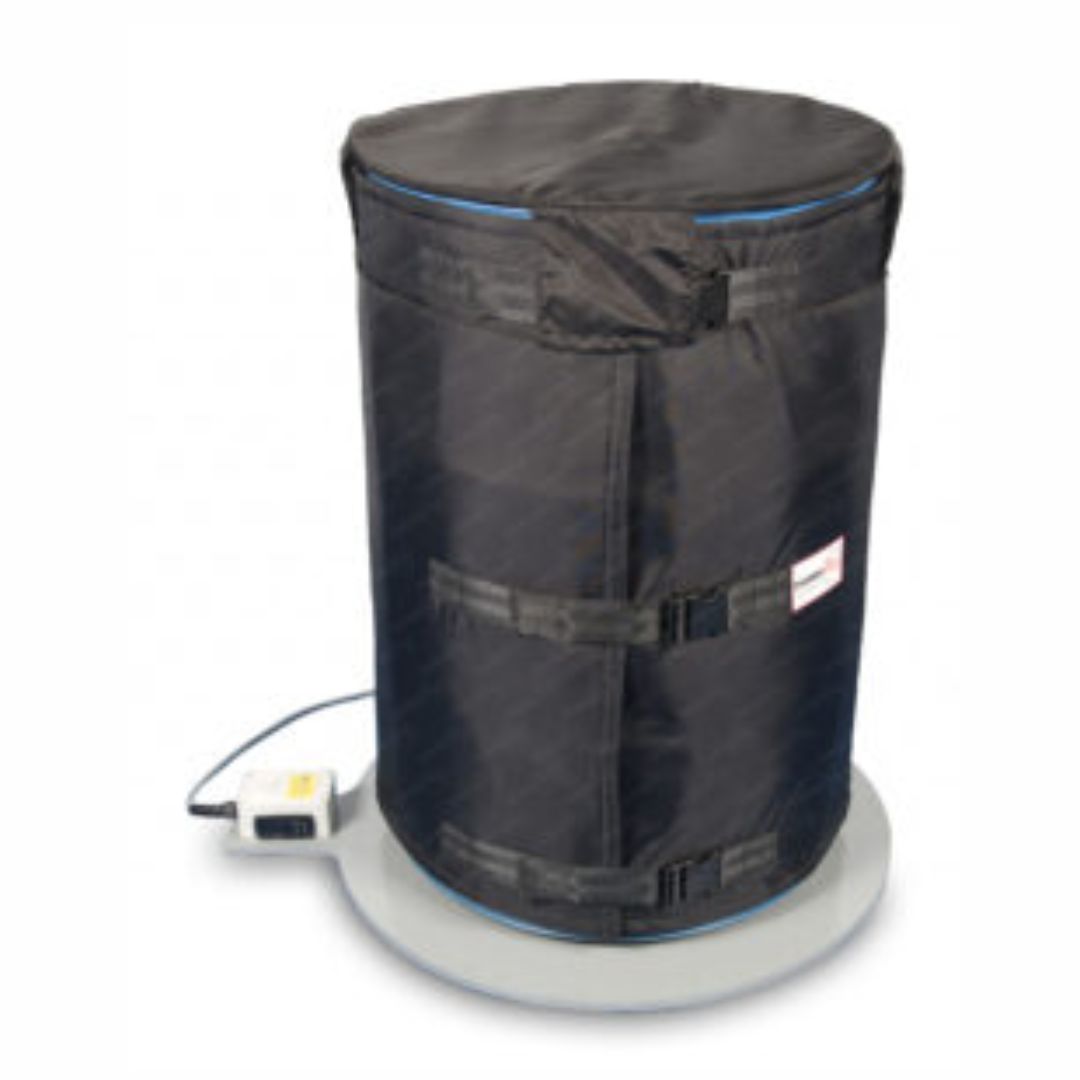
On the other hand, high-viscosity products demand consistent heating throughout the year to lower resistance to flow. For these scenarios, our Hi-Power range of drum heaters, sometimes combined with base heaters, or our IBC3 heater jacket, possibly paired with an IBC immersion heater, emerge as the best options.


Key Insights on Reducing the Viscosity of Liquids
- Viscosity is about how thick or runny your product is. It is generally measured in Centipoise (cps) or Centistokes (cSt).
- In general Newtonian (eg. oils) and Thixotropic products (eg. honey, paint) react well to the application of heat to reduce viscosity.
- Consider using heating products such as insulated heater jackets, immersion heaters, induction heaters and drum base heaters to reduce viscosity efficiently.
- For medium viscosity try our Hi-Heat specification jackets.
- For high viscosity try our Hi-Power specification jackets sometimes in combination with an immersion heater or drum base heater.
- Always consider the pump you are using in conjunction with the heating equipment – particularly with viscous products, heating alone will not be the sole answer. You may need a positive displacement pump.
- You should also consider whether you need a mixer/agitator to aid with creating flow, in conjunction with your pump and / or heater.
Efficient industrial heating solutions by SBH Solutions
SBH Solutions provides industrial heating systems for drums and IBC containers across a wide range of industries, including food processing, manufacturing, mining and chemical production.
If you are experiencing flow issues due to high viscosity, speak with our team to identify the right heating solution for your application.
Contact us today to discuss your requirements.